You Don’t Have to Import or Export to Feel the Impact of Tariffs
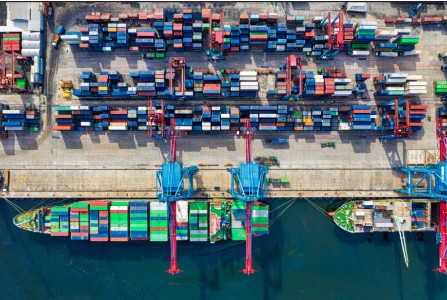
If your business doesn’t import from or export to the U.S., it would be easy to assume the latest round of tariffs doesn’t have much to do with you.
But your suppliers might import. Your customers might export. The materials you buy may cross the border somewhere earlier in the supply chain.
That’s where the impact can become harder to see.
For many businesses, tariffs won’t show up as a new charge on an invoice. They’ll show up indirectly: a supplier increases their prices, materials cost more, a customer cuts back on orders, or a job doesn’t deliver the margin you expected.
So the question isn’t only whether tariffs directly affect your business.
It’s where the impact could eventually show up.
You Don’t Have to Import to Be Exposed
For businesses importing directly from the U.S., the impact is relatively easy to identify. A product is subject to a tariff, the landed cost changes, and the business has to decide what to do with that additional cost.
Indirect exposure is harder to spot.
You may have a Canadian supplier whose inputs come from the U.S. You may sell to a customer whose own business is heavily exposed to cross-border trade. Or you may have quoted work based on material costs that no longer reflect what you’ll pay when it’s time to deliver.
In those situations, the tariff itself may never appear anywhere in your books.
Instead, you see the effects.
A supplier increases their price. A customer orders less. Freight becomes more expensive. Inventory costs more to replace. Or a job that looked profitable when it was quoted suddenly isn’t as profitable when it’s completed.
Where the Impact Can Show Up
There are a few places worth paying particular attention to:
• Supplier costs: If your suppliers import products or materials from the U.S., their increased costs may eventually be reflected in what you pay.
• Customer demand: If tariffs directly affect your customers, changes in their costs or confidence may affect what they buy from you and how much they buy.
• Fixed-price contracts and quotes: Pricing agreed to before tariffs took effect may have been based on input costs that have since changed.
• Inventory: Goods purchased at one cost may eventually need to be replaced at another, affecting future margins and pricing decisions.
• Material- and freight-heavy industries: Construction, transport, wholesale, and manufacturing can be particularly sensitive when materials, equipment, and transportation costs move.
The important part is timing.
Indirect impacts don’t necessarily arrive with a clearly labelled tariff charge. They can surface weeks or months later as a margin that’s thinner than expected or a cash requirement that’s higher than forecast.
What Changed on September 8
U.S. tariffs of 50 percent on a range of Canadian goods took effect August 22. Canada’s counter-tariffs took effect September 8, applying rates of 15, 25 and 50 percent to approximately $27.6 billion in U.S. imports.
More than 700 product lines are covered, with affected goods concentrated in areas including steel, dairy, appliances, agricultural equipment, pulp and paper, and electronics.
There are some important qualifications. Goods already in transit to Canada when the counter-tariffs took effect are not subject to them, and the tariffs apply only to goods that qualify as U.S.-origin under Canada’s marking rules.
For businesses importing directly, that makes product classification and country of origin important details to confirm, not assume.
Support Is Available
Both the Manitoba and federal governments have announced measures to support businesses affected by the tariffs.
Manitoba announced more than $100 million in support on August 28, including a temporary deferral of provincially administered tax payments, a new working-capital loan program, workforce support and expanded loan guarantees.
The federal government has also announced a $7.5 billion package that includes financing, regional business support, diversification initiatives and worker and employer programs. Canada’s tariff remission framework remains available for businesses seeking relief from counter-tariffs in exceptional circumstances.
Eligibility varies, and several programs are designed for businesses that can demonstrate a direct tariff impact. Businesses experiencing indirect effects may not necessarily qualify.
Whether a government program is attached or not, understanding the financial impact still matters.
The Part That Matters: Your Margins and Cash Flow
You don’t need to predict what happens next with tariffs.
You do need to understand what happens to your business if a key supplier raises prices by 10 percent. Or if replacing inventory suddenly requires more cash. Or if a major customer cuts their orders. Or if a fixed-price contract is no longer producing the margin you expected.
Those are business questions, not tariff questions.
And they’re easier to deal with when you see them coming.
Reviewing your margins, cash flow, pricing, and supplier exposure now lets you decide before a change becomes a problem.
Where to Start
Start by looking at where your business could be exposed, both directly and indirectly.
Which suppliers rely on U.S. products or materials? Which customers operate in industries likely to be affected? Do you have outstanding quotes or contracts based on older costs? And what happens to your cash flow if costs rise before you can adjust your pricing?
You don’t have to import or export for tariffs to affect your business.
If you’re not sure where that exposure sits, we can help you work through the numbers, test the impact on your cash flow and margins, and determine what, if anything, needs to change.
Get in touch with balncd through our website to start the conversation.